

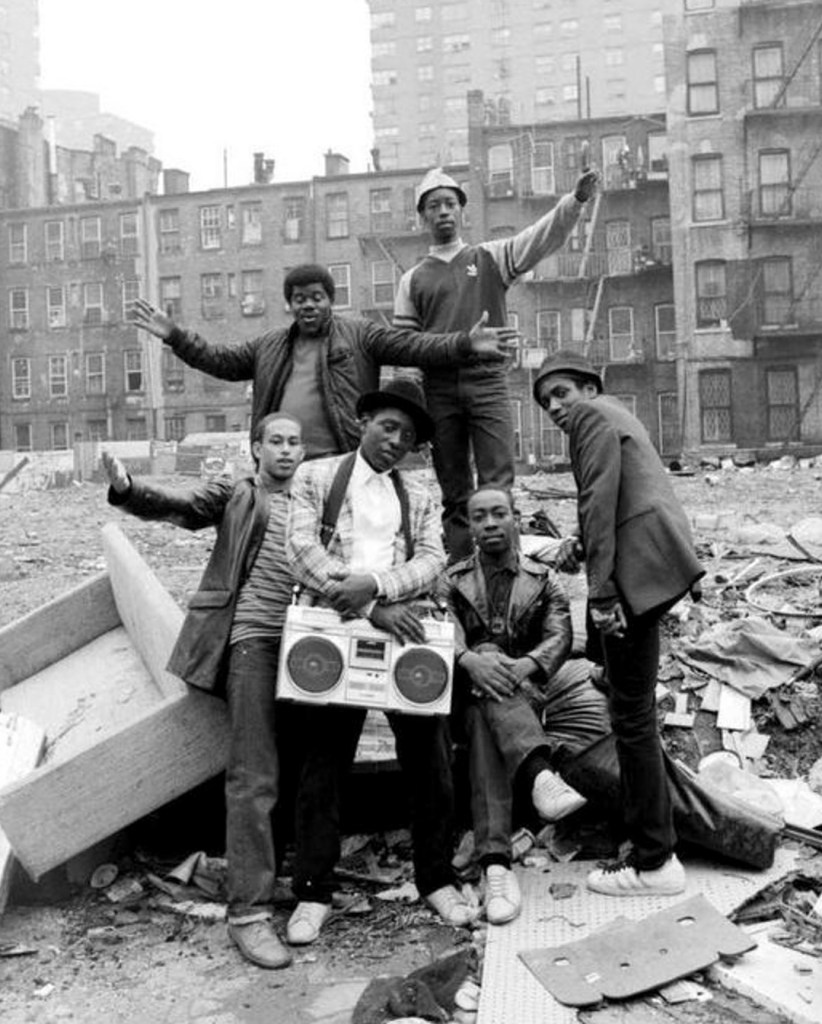
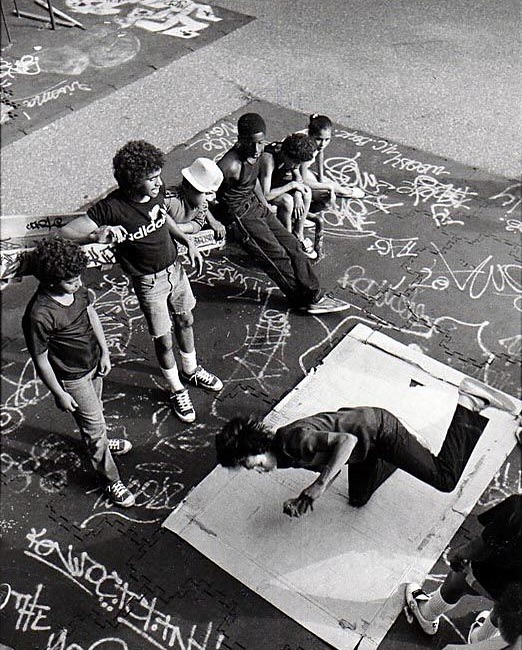




Hip-hop was more than a musical genre; it emerged from the streets as a way of life and a form of identity. Fashion functioned as its language, style became a form of resistance, and brands symbolized belonging. Hip-hop culture was not a surface-level trend driven by fashion cycles, but an expression of real lives and lived experiences.
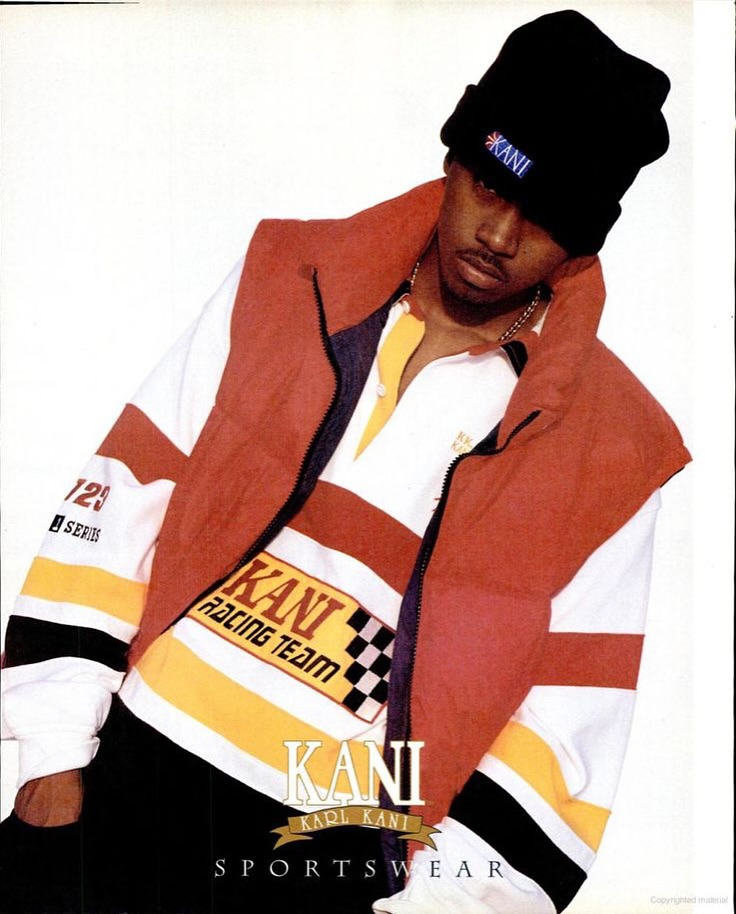
In the 1980s and 1990s, street fashion began to take on a visible shape. Run-DMC’s My Adidas elevated sneakers from functional footwear to cultural icons, while brands such as Nike, Timberland, FUBU, and Karl Kani grew alongside hip-hop to form the visual language of street style. During this era, fashion was less about what one wore and more about declaring one’s community and identity.
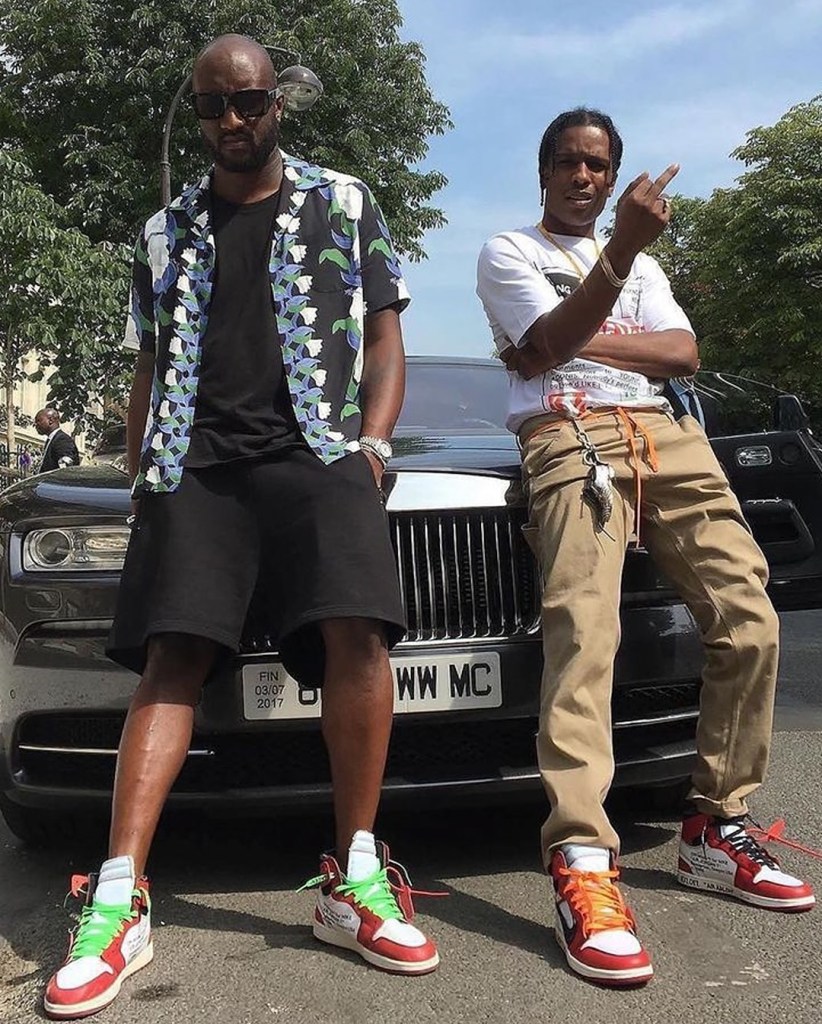
This trajectory was extended into the realm of high fashion by Virgil Abloh. Through Off-White, he dismantled the boundary between streetwear and luxury, and his appointment as the first Black artistic director of menswear at Louis Vuitton marked a structural shift within the fashion system. His work boldly incorporated cultures that had long been marginalized within luxury fashion, challenging what high fashion could and should represent.
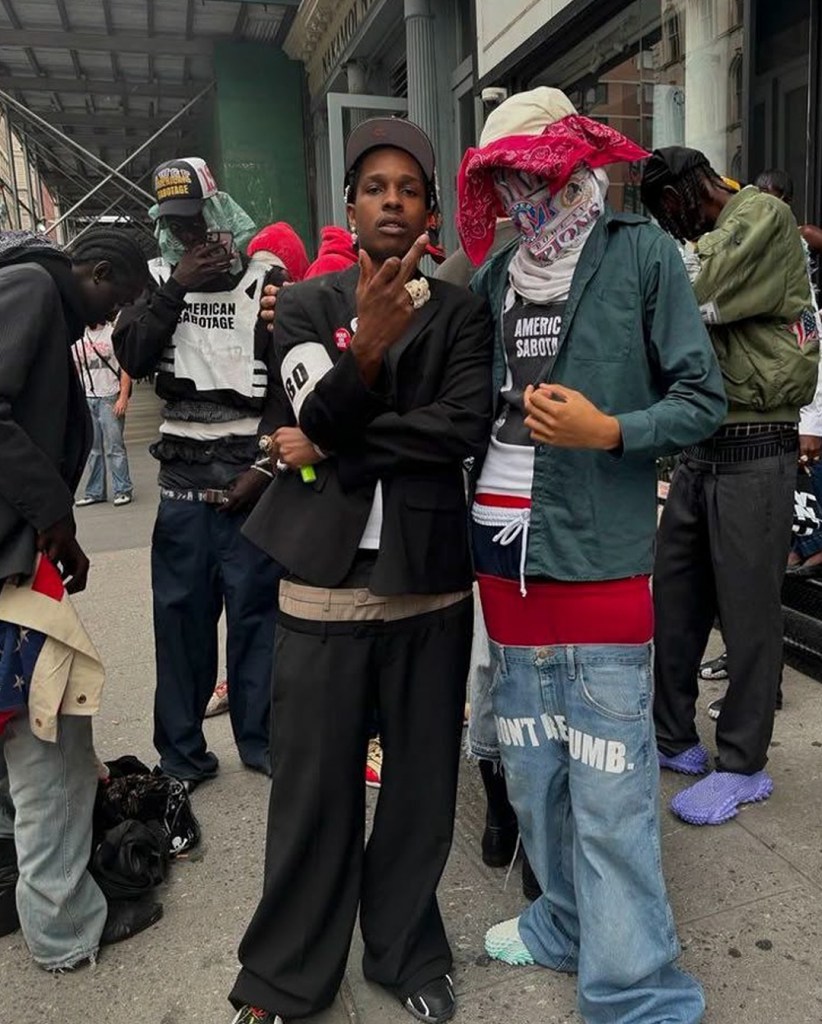
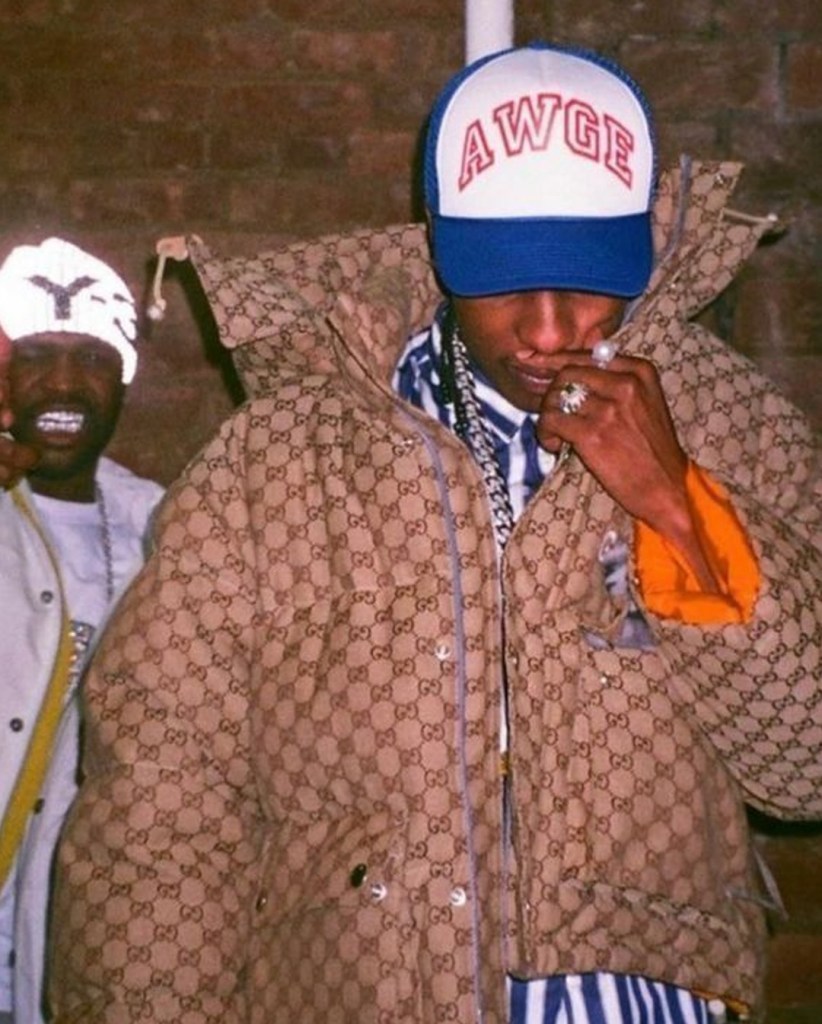
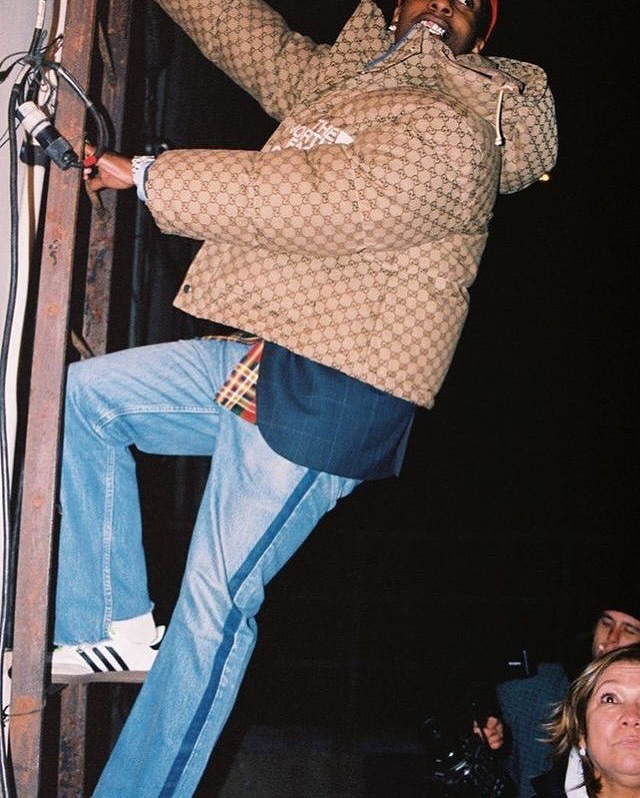
A$AP Rocky accelerated this shift in a different way. Moving beyond the label of a “well-dressed rapper,” he transformed fashion itself into content. By freely blending high-end fashion with street sensibilities and dissolving boundaries of gender and genre, his style operates as a personal aesthetic language that actively shapes global trends.
Street culture is no longer a subculture. Through figures like Virgil Abloh and A$AP Rocky, it has moved to the center of fashion, establishing new rules that value authenticity, creativity, and diversity over hierarchy. Today, the spirit they embodied continues to rewrite the standards of contemporary fashion.
ヒップホップは単なる音楽ジャンルではなく、ストリートから生まれた生き方であり、ひとつのアイデンティティだった。ファッションは彼らの言語であり、スタイルは抵抗の表現、ブランドは帰属を象徴するものだった。ヒップホップ文化は流行を追いかける表層的なトレンドではなく、現実の生活や経験に根ざした実践の表現である。
1980〜90年代に入ると、ストリートファッションは明確なかたちを持ち始める。Run-DMCの〈My Adidas〉はスニーカーを単なる履物から文化的アイコンへと押し上げ、Nike、Timberland、FUBU、Karl Kaniといったブランドはヒップホップとともに成長し、ストリートスタイルの視覚言語を形成していった。この時代においてファッションとは、何を着るか以上に、どのコミュニティやアイデンティティを選び取るかの宣言だった。
この流れをハイファッションの領域へと拡張したのがヴァージル・アブローである。Off-Whiteを通じてストリートとラグジュアリーの境界を解体し、ルイ・ヴィトン初の黒人メンズ・アーティスティック・ディレクターに就任した彼の存在は、ファッションシステムそのものに構造的な変化をもたらした。彼のデザインは、高級ファッションの中で長らく周縁化されてきた文化を大胆に取り込み、ファッションが何を内包すべきかを問い直した。
A$AP Rockyは、また異なるかたちでこの変化を加速させた存在だ。「おしゃれなラッパー」という枠を超え、彼はファッションそのものをコンテンツへと昇華させた。ハイエンドとストリートを自在に横断し、ジェンダーやジャンルの境界を曖昧にする彼のスタイルは、個人的な美意識の言語として機能し、グローバルなトレンドに影響を与えている。
もはやストリートはサブカルチャーではない。ヴァージル・アブローやA$AP Rockyのような存在によって、ストリート文化はファッションの中心へと引き上げられ、序列よりも真実性、創造性、多様性を重んじる新たなルールが生まれた。今日、彼らが体現した精神は、いまなおファッションの基準を書き換え続けている。
힙합은 단순한 음악 장르를 넘어 거리에서 태어난 하나의 삶의 방식이자 정체성이었다. 패션은 그들의 언어였고, 스타일은 저항의 표현이었으며, 브랜드는 자신이 어디에 속해 있는지를 드러내는 상징이었다. 힙합 문화는 유행을 좇는 표면적인 트렌드가 아니라, 실제 삶과 경험에서 비롯된 실천의 결과였다.
1980~90년대에 이르러 스트리트 패션은 본격적으로 모습을 드러낸다. Run-DMC의 〈My Adidas〉는 스니커즈를 단순한 신발이 아닌 문화적 아이콘으로 끌어올렸고, 이후 나이키, 팀버랜드, FUBU, Karl Kani와 같은 브랜드들은 힙합과 함께 성장하며 스트리트 스타일의 언어가 되었다. 이 시기의 패션은 무엇을 입느냐의 문제가 아니라, 어떤 커뮤니티와 정체성을 선택하느냐에 대한 선언이었다.
이 흐름을 하이패션의 영역까지 확장시킨 인물이 바로 버질 아블로다. 그는 Off-White를 통해 스트리트와 럭셔리의 경계를 허물었고, 루이비통 최초의 흑인 남성복 디렉터로 임명되며 패션 시스템 자체에 균열을 만들었다. 그의 디자인은 고급 패션 안에서 배제되어 왔던 문화를 과감하게 끌어들이며, 패션이 무엇을 담아야 하는지에 대한 질문을 던졌다.
A$AP Rocky는 또 다른 방식으로 이 변화를 가속화했다. 그는 ‘잘 입는 래퍼’를 넘어, 스타일 그 자체를 하나의 콘텐츠로 만들어낸 인물이다. 하이엔드 브랜드와 스트리트 무드를 자유롭게 넘나들고, 성별과 장르의 경계를 허무는 그의 스타일은 개인적인 미적 언어를 통해 글로벌 트렌드에 실질적인 영향을 미치고 있다.
이제 스트리트는 더 이상 하위문화가 아니다. 버질 아블로와 A$AP Rocky는 스트리트 문화를 패션의 중심으로 끌어올리며, 위계보다 진정성, 창의성, 다양성을 중시하는 새로운 룰을 만들어냈다. 오늘날 이들이 남긴 정신은 여전히 패션의 기준을 다시 쓰고 있다.
Leave a Reply